

What is Sports Nutrition?
Sports nutrition is the science that studies the relationship between diet and athletic performance. It aims to provide athletes with appropriate energy, enhance recovery, improve overall performance, and reduce the risk of injuries.
The 4 Basic Principles (4Ps Framework)
According to the latest scientific research, optimal sports nutrition strategies can be summarized in the 4Ps framework:
| Principle | Meaning |
|---|---|
| Personalise | Customizing the nutritional plan according to the individual (gender, age, weight, type of sport, goals) |
| Periodise | Strategic timing of nutrients according to the training schedule |
| Prefuel | Fueling up before competition (carbohydrates 6-10 g/kg of body weight) |
| Prepare | Proper hydration before, during, and after exercise |
Key Macronutrients
1. Carbohydrates
Primary energy source for athletes
Provide 4 calories per gram
Sources: whole grains, fruits, vegetables, legumes
Recommended intake: 3-12 g/kg depending on training intensity
2. Proteins
Essential for muscle repair and growth
Provide 4 calories per gram
Sources: lean meat, fish, eggs, dairy, legumes, protein supplements
Recommended intake: 1.6-2.2 g/kg of body weight
3. Fats
Important for hormones and fat-soluble vitamins
Provide 9 calories per gram
Sources: olive oil, avocados, nuts, fatty fish
Recommended intake: 20-35% of total calories
Hydration Guide
| Time | Recommendation |
|---|---|
| Before exercise | 5-7 ml/kg 4 hours prior |
| During exercise | 150-300 ml every 15-20 minutes |
| After exercise | 1.25-1.5 L per kg of weight lost |
Pre-Workout Nutrition
Eat 2-3 hours before training
Focus on complex carbohydrates
Moderate protein, low fat and fiber
Example: oatmeal with banana and whey protein
Post-Workout Nutrition
Eat within 30-60 minutes after training
"Golden Window" for glycogen replenishment
Ratio: 3:1 carbohydrates to protein
Example: white rice with chicken breast or protein shake with dextrose
Best Supplements (Evidence-Based)
| Supplement | Benefit | Dosage |
|---|---|---|
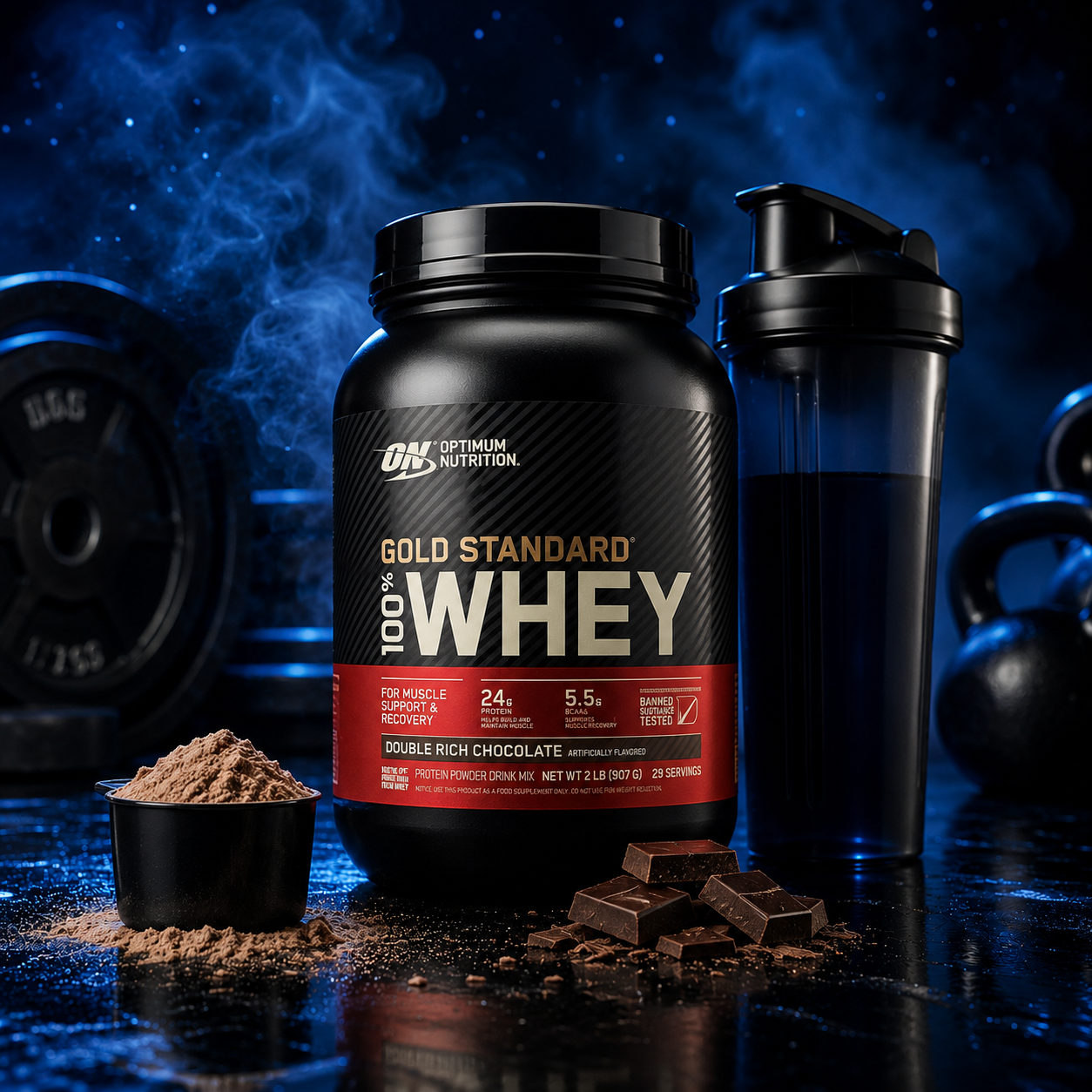
| Whey Protein | Muscle repair and growth | 20-40g post-workout |
| Creatine | Strength and power | 3-5g daily |
| Caffeine | Focus and endurance | 3-6 mg/kg pre-workout |
| Omega-3 | Reduce inflammation | 1-3g daily |
| Vitamin D | Bone health and immunity | 1000-4000 IU daily |
Sample Meal Plan (80 kg athlete)
| Meal | Foods |
|---|---|
| Breakfast | 4 eggs + 2 slices whole wheat bread + coffee |
| Snack | Greek yogurt + handful of nuts |
| Lunch | 200g chicken breast + 250g rice + vegetables |
| Pre-workout | Banana + whey protein (30 min before) |
| Post-workout | Protein shake + dextrose |
| Dinner | 200g salmon + sweet potato + salad |
| Before bed | Casein protein or cottage cheese |
Common Mistakes to Avoid
Not eating enough - Undereating leads to muscle loss and poor recovery
Ignoring hydration - Even 2% dehydration reduces performance by 10-20%
Skipping post-workout meal - Delays recovery for up to 24 hours
Too many supplements - Food first, then supplements as support
No meal planning - Leads to random, unbalanced choices
Summary
"Professional athletes don't play by chance, and they don't eat by chance either."
Sports nutrition is the fourth pillar of athletic success after:
Training
Rest
Psychology
Nutrition ✓
For best results, consult a certified sports nutritionist to develop a personalized plan based on your goals and sport type.